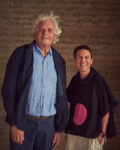
The construction industry is under pressure – economically, ecologically and socially. Martin Rauch, pioneer of modern earth building, puts it in a nutshell in an interview: “The concepts are there, as are the wishes for sustainable building – but only a fraction of them are implemented.” Especially in residential construction, sustainability often fails because of the costs. Earth building, one of the oldest and most ecological construction methods in the world, remains a marginal phenomenon despite growing attention.
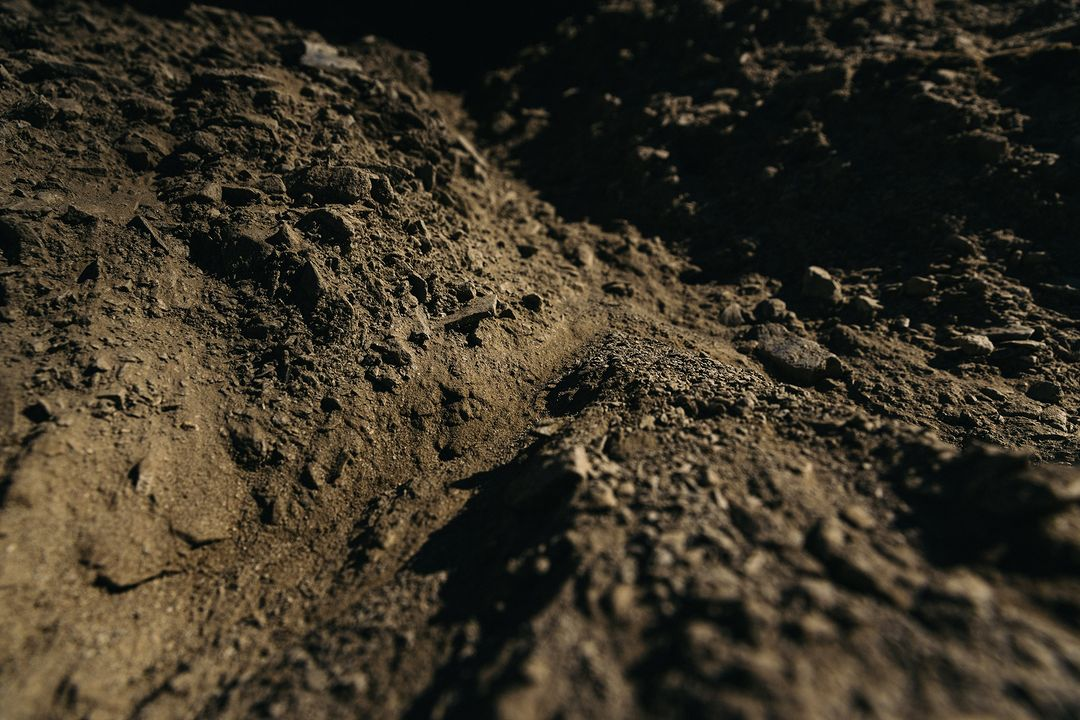
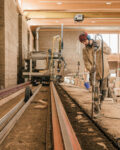
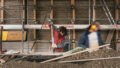
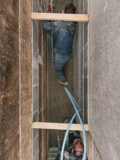
Yet earth as a building material offers everything needed for sustainable construction: it is locally available, harmless to health, recyclable and stores thermal energy. What it lacks is economic competitiveness – because earth requires manual labor. And this is exactly where Rauch comes in: With his company Lehm Ton Erde, he is continuously optimizing work processes and developing machines that make heavy work easier. “We work with rammed earth today in the same way that people worked with concrete 80 years ago. If we were to put even a fraction of the innovative power that went into concrete into earth building – we would be much further ahead.”
Rauch calls for a rethink on many levels: We need more trained specialists, architects with an understanding of materials, clear political support for sustainable construction methods – and, above all, more space for knowledge exchange. He sees great potential here in the Walz 4.0 project, which aims to give young people practical insights into innovative craft businesses. Because: “Earth is not just a material, earth is a social binder. Anyone who gets involved with earth shares a certain attitude – to life, to work, to the world.”